Services at Next Wave Cancer Rehab
Cancer Rehabilitation Support
Cancer care physiotherapy supports people to manage the physical effects of cancer and its treatment at any stage, from diagnosis through to survivorship and end-of-life care.
The areas below highlight common ways Megan supports her patients. This list is not exhaustive, and care is always tailored to individual needs.
Pre & Post-Operative Care
Whether you're preparing for surgery or recovering from it, having the right support in place can make a real difference. Select a stage below to learn more.
Prior to Surgery
Seeing a physiotherapist before surgery can help support a better recovery outcome. An initial appointment may include:
- Measuring joint range of motion, strength, balance, and physical function to establish a baseline for recovery
- Conducting bioimpedance testing to monitor fluid changes and support early detection of lymphoedema where appropriate
- Discussing what to expect following surgery and strategies to support recovery in the early stages
- Identifying potential barriers that may impact recovery and addressing them proactively
- Providing education about possible treatment-related side effects and introducing management strategies early
- Developing a personalised plan for recovery and ongoing rehabilitation
- Scheduling post-operative follow-up, so you can focus on treatment knowing support is already in place
Most importantly, you'll leave knowing you have an experienced professional in your corner, someone you can reach out to with questions, concerns, or simply for reassurance along the way.
Following Surgery
Surgery is often a significant milestone in cancer treatment, but it is also the beginning of a new phase of recovery. Whether you've undergone breast surgery, abdominal surgery, reconstruction, or another cancer-related procedure, it is common to experience pain, stiffness, weakness, swelling, fatigue, and uncertainty about how to move safely.
Oncology physiotherapy plays an important role in supporting recovery. Early intervention can help minimise complications, restore movement and function, and support confidence to return to the activities that are important to you.
How cancer care physiotherapy can help following surgery:
- Restore shoulder, chest wall, trunk, and joint mobility
- Support a safe return to everyday activities, work, exercise, and hobbies
- Manage pain, stiffness, and post-operative discomfort
- Improve strength, fitness, and physical function
- Assist with scar healing and scar tissue management
- Manage side effects that may be common with particular surgeries, such as cording after breast surgery
- Monitor and provide guidance around lymphoedema risk and early signs
- Improve posture and movement patterns following surgery
- Reduce the impact of cancer-related fatigue
- Provide guidance on external support garments
- Provide education, reassurance, and a clear recovery plan
Breast Cancer Rehabilitation
Breast cancer treatment can bring a unique set of physical challenges, often affecting the shoulder, chest wall, arm, posture, and overall movement. These changes can occur following surgery, radiotherapy, chemotherapy, hormonal therapy, or breast reconstruction, and may continue long after treatment has finished.
At Next Wave Cancer Rehab, Megan commonly supports people recovering from breast cancer surgery, including lumpectomy (removal of part of the breast), mastectomy (removal of the whole breast), breast reconstruction (using an implant or your own tissue), oncoplastic breast reduction or reshaping surgery, sentinel lymph node biopsy, and axillary lymph node dissection (lymph node clearance). Rehabilitation is tailored to your individual surgery, treatment, and goals to help you recover safely and confidently.
While many treatment-related side effects are common, they are not something you simply have to live with. Early assessment and rehabilitation can play an important role in reducing symptoms, restoring movement, and helping you return to the activities that are important to you.
Axillary Web Syndrome (Cording)
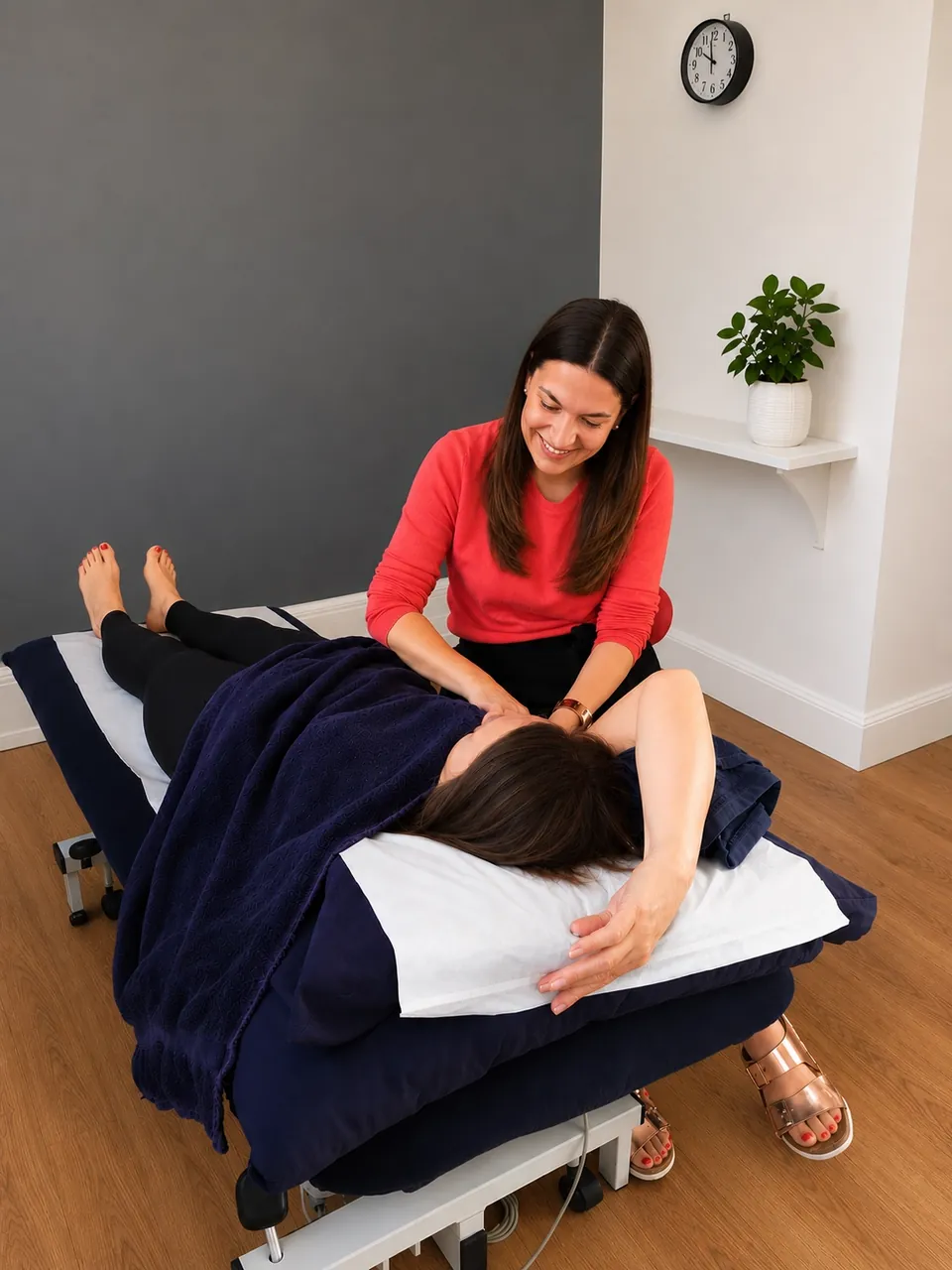
Axillary Web Syndrome, more commonly known as cording, can occur following breast surgery and lymph node removal. It appears as tight, cord-like structures that can develop under the arm and sometimes extend into the chest wall, arm, forearm, or even the hand. Cording can make simple movements such as reaching overhead, dressing, driving, or exercising uncomfortable and restrictive. It often feels tight, painful, or as though something is “pulling” beneath the skin.
Physiotherapy can help reduce symptoms and restore movement through a combination of education, hands-on treatment, stretching, and targeted exercises. Early intervention often leads to better outcomes and may help reduce the risk of ongoing movement restrictions.
Capsular Contracture
Capsular contracture is a potential complication following breast reconstruction with implants. As part of the body’s natural healing process, a layer of scar tissue forms around the implant. In some cases, this scar tissue can tighten and contract, causing the breast to feel firm, uncomfortable, distorted in shape, or painful.
Symptoms can range from mild tightness through to significant discomfort and restriction of movement around the chest and shoulder.
While treatment options vary depending on severity, physiotherapy can assist with managing surrounding tissue tightness, improving chest wall mobility, optimising posture, and helping maintain shoulder movement and function.
Tendon Changes and Tendinopathy
Some breast cancer treatments, particularly hormonal therapies such as aromatase inhibitors, can affect the health of tendons and connective tissues. This may increase the risk of developing tendon-related pain and conditions known as tendinopathies.
Common areas affected include the shoulders, elbows, wrists, hips, knees, and feet. Symptoms may include pain, stiffness, reduced strength, or discomfort during everyday activities and exercise.
The good news is that movement remains one of the most effective treatments. Through a personalised rehabilitation program, treatment can help manage symptoms, improve tendon capacity, restore strength, and support your return to activities while minimising the risk of further irritation.
Scar Management
Scar tissue is often an overlooked part of recovery following biopsies or surgery, yet it can have a significant impact on movement, comfort, and how you feel in your body. Following surgery, radiotherapy, or reconstruction, changes in the skin and underlying tissues can lead to tightness, pain, altered sensation, and restrictions that affect day-to-day life.
Through training in scar therapy and connective tissue treatment, Megan takes a comprehensive approach to assessing and treating scars, not just at the surface, but how they interact with deeper structures and movement patterns. Treatment may include hands-on therapy, education, external products such as creams or gels, and tailored exercises to improve mobility, reduce discomfort, and support optimal healing.
Megan regularly works with a range of post-surgical and post-radiotherapy presentations, including breast, sarcoma and head and neck surgeries, reconstruction, lymph node removal, and abdominal procedures. Her approach is always individualised, recognising that every scar and every person's experience of it is different.
Just as importantly, Megan guides you in understanding your own scar. Many patients feel unsure about what is safe or helpful when it comes to touching or working with their scar tissue. She aims to build your confidence with practical strategies you can continue at home, helping you feel more in control of your recovery.
Side Effect Management
Cancer and its treatment can bring a wide range of side effects. Select a topic below to learn more about how cancer care physiotherapy can help.
Cancer-Related Fatigue
Cancer-related fatigue is one of the most common and challenging side effects of cancer and its treatment, affecting the majority of people at some point during their cancer experience. Unlike everyday tiredness, cancer-related fatigue is often overwhelming, can occur without warning, and isn’t always relieved by rest.
For some people, fatigue improves as treatment finishes. For others, it can persist for months or even years, impacting work, family life, social activities, exercise, and the simple day-to-day tasks that were once taken for granted.
Many people understandably believe that rest is the best way to manage fatigue. While rest is important, too much inactivity can actually contribute to further loss of strength, fitness, and function, making fatigue feel even more overwhelming over time.
Research consistently shows that appropriately prescribed physical activity is one of the most effective ways to manage cancer-related fatigue. Not only is exercise safe during most cancer treatments, but it can help improve energy levels, maintain physical function, and support overall wellbeing throughout recovery.
The key is not pushing harder, it’s learning how to use your energy wisely. Rehabilitation involves exploring strategies to help you manage your “fatigue battery”, balancing activity and recovery in a way that feels achievable and sustainable. By starting where you are and progressing gradually, this approach can help build confidence, improve energy levels, and support a return to doing more of the things that matter to you.
How rehabilitation can help:
- Understand and manage fatigue more effectively
- Develop strategies to balance activity and rest
- Rebuild strength and fitness safely
- Improve confidence in the body’s capabilities
- Return to meaningful activities and daily routines
- Reduce the impact fatigue has on quality of life
Because fatigue may be common, it doesn’t mean you simply have to put up with it. With the right support and strategies, it can often be significantly improved.
Arthralgia (Joint Pain)
Joint pain, also known as arthralgia, is a common side effect of some cancer treatments, particularly hormonal therapies. It can affect the hands, wrists, shoulders, hips, knees, and feet, making movement uncomfortable and impacting daily activities.
Many people worry that pain means they should stop moving, but appropriate movement is often one of the most effective ways to manage symptoms. Rehabilitation can help reduce pain, improve joint mobility, maintain strength, and support staying active while managing treatment-related side effects.
Radiotherapy-Induced Tightness
Radiotherapy is an important part of cancer treatment, but it can cause changes to the skin, muscles, and connective tissues both during treatment and in the months or years that follow. Many people experience tightness across the chest, shoulder, neck, armpit, or treated area, which can affect movement, posture, comfort, and confidence.
Through a combination of education, hands-on therapy, scar management, stretching, and targeted exercise, rehabilitation can help improve mobility, reduce discomfort, and restore movement, allowing you to return to daily activities with greater ease.
Lymphoedema
Lymphoedema is a long-term condition that can occur when the lymphatic system is damaged or disrupted, often as a result of cancer treatment such as surgery or radiotherapy, or due to the cancer itself. This leads to a build-up of lymphatic fluid in the affected area, causing swelling, heaviness, tightness, and sometimes discomfort or reduced mobility. In cancer physiotherapy, management focuses on reducing and controlling swelling, improving function, and preventing progression through a combination of education, exercise, skin care, compression therapy guidance, and manual lymphatic techniques where appropriate. Early identification and ongoing support are key to maintaining quality of life and helping people stay active and confident in daily movement.
Whilst Megan holds formal qualifications in upper quadrant lymphoedema management, she does not practise as a dedicated lymphoedema therapist. Instead, she uses this training to guide patients in early identification, risk reduction, and basic management strategies, and works closely with lymphoedema therapists when more comprehensive care is required.
Breathlessness & Breathing Strategies
Feeling short of breath can be a distressing and frustrating side effect of cancer and its treatment. Breathlessness may occur during physical activity, everyday tasks, or sometimes even at rest, often leading people to avoid movement for fear of making symptoms worse.
Breathing is something we rarely think about until it becomes difficult. Cancer treatment, surgery, pain, fatigue, and anxiety can all influence the way we breathe, sometimes creating patterns that contribute to discomfort, breathlessness, and reduced activity levels.
Through education, breathing retraining, practical breathing techniques, pacing strategies, and appropriately prescribed exercise, physiotherapy can help improve breathing efficiency, reduce anxiety associated with breathlessness, support symptom management, and increase confidence with everyday activities. The goal is to help you feel more in control of your breathing, enabling you to remain active and participate in the activities that are important to you.
Osteoporosis (Weakening of the Bones)
Some cancer treatments can affect bone health, increasing the risk of osteoporosis and fractures. This can understandably create uncertainty around movement and exercise, with many people becoming fearful of causing injury. Rehabilitation focuses on helping you move safely and confidently, using appropriate exercise to maintain strength, improve balance, support bone health, and reduce the risk of falls, while considering any individual precautions that may apply to your situation.
Peripheral Neuropathy
Peripheral neuropathy is a common side effect of certain chemotherapy treatments and can cause tingling, numbness, burning sensations, altered sensation, or weakness in the hands and feet. These symptoms can affect balance, mobility, confidence, and the ability to perform everyday tasks. Rehabilitation can help by addressing strength, balance, coordination, and movement strategies, while providing education and practical tools to help you manage symptoms and maintain independence.
Mobility, Balance & Confidence
Cancer and its treatment can affect the way you move, leaving you feeling less steady, less confident, or unable to participate in activities as easily as before. Changes in strength, sensation, fitness, joint mobility, fatigue, and treatment-related side effects can all contribute to reduced mobility and balance, making everyday tasks feel more challenging.
You may notice difficulty walking longer distances, climbing stairs, getting on and off the floor, navigating uneven surfaces, or returning to exercise and recreational activities. For some people, these changes can lead to a fear of falling or a loss of confidence in their body’s abilities.
Rehabilitation focuses on improving movement, balance, coordination, and physical confidence through targeted exercises and practical strategies tailored to your individual needs. The goal is to help you move more freely, feel more secure in your body, and maintain your independence, whether that’s keeping up with daily life, returning to activities you enjoy, or simply feeling more confident when you’re on your feet.
Strength, Fitness & Physical Function
Loss of muscle mass, strength, and overall fitness is a common and often overlooked consequence of cancer and its treatment. This can occur due to reduced physical activity, fatigue, inflammation, changes in appetite and nutrition, and the direct effects of cancer on the body. In many cases, this leads to a condition known as sarcopenia, which is the progressive loss of skeletal muscle mass and function. Sarcopenia can develop quickly during periods of illness or treatment and may significantly impact mobility, energy levels, balance, and independence.
These changes are not always immediately obvious, but over time they can affect your ability to sustain physical effort, recover between activities, and tolerate daily demands. Tasks that once felt manageable may begin to require more effort, and overall stamina can gradually decline.
Drawing on her experience in oncology physiotherapy, musculoskeletal rehabilitation, and Clinical Pilates, Megan helps people rebuild strength, improve fitness, and restore physical function in a safe and progressive way. A structured, individualised rehabilitation program can support muscle recovery, enhance energy levels, and help you return to the activities that matter most to you.
Pain Management
Pain is a common experience for many people living with and beyond cancer. It may be related to the cancer itself, surgery, chemotherapy, radiotherapy, hormonal therapy, scar tissue, or changes in strength and movement patterns that occur throughout treatment. Pain can affect not only physical function, but also sleep, energy levels, mood, confidence, and overall quality of life.
Effective pain management begins with understanding the cause of your pain and how it is impacting your daily life. Through a combination of education, hands-on therapy, movement, exercise, and practical self-management strategies, physiotherapy can help reduce pain, improve function, and restore confidence in your body. Importantly, rehabilitation focuses on helping you move safely and comfortably, recognising that pain does not always mean harm and that movement can often be a powerful part of recovery.
Megan’s approach is individualised and evidence-informed, working alongside your medical team to ensure pain is managed safely and effectively. Treatment is developed collaboratively, helping you regain control, return to meaningful activities, and improve your overall quality of life.
Exercise Rehabilitation
A cancer diagnosis can change your relationship with your body. Activities that once felt effortless may become more challenging, and it can be difficult to know what is safe, what is achievable, and where to begin. Exercise rehabilitation provides a structured and supportive pathway to help you rebuild confidence, restore function, and reconnect with movement.
Megan’s approach combines extensive oncology knowledge and experience with a strong background in musculoskeletal physiotherapy, Clinical Pilates, and exercise-based rehabilitation. This allows her to create highly individualised programs that not only address the effects of cancer treatment but also consider your movement patterns, previous injuries, fitness history, and long-term goals.
Every person’s starting point is different. Rehabilitation may focus on restoring mobility and confidence following surgery or treatment, rebuilding strength and fitness, managing treatment-related side effects, or progressing towards higher-level goals such as returning to the gym, running, lifting weights, or participating in sport.
By combining evidence-informed exercise prescription with a deep understanding of how the body moves and adapts, this approach helps people safely rebuild capacity, develop resilience, and return to the activities that bring meaning, purpose, and enjoyment to their lives.
Physical Activity Guidance
Physical activity is one of the most powerful tools available to support health and wellbeing during and after cancer treatment.
Research consistently shows that remaining active can help reduce treatment-related side effects, improve physical function, and enhance quality of life. Yet for many people, knowing what is safe and where to begin can feel overwhelming.
The good news is that physical activity doesn’t have to mean intense workouts or hours in the gym. It might be walking with friends, gardening, swimming at the beach, playing with grandchildren, or following a tailored exercise program. The most effective exercise is often the one that feels achievable, enjoyable, and fits within your life.
Physical activity has been shown to:
- Reduce cancer-related fatigue and improve energy levels
- Improve strength, fitness, balance, and overall physical function
- Maintain mobility, independence, and confidence in daily activities
- Improve mood and emotional wellbeing while reducing anxiety and stress
- Enhance sleep quality, concentration, and memory
- Support a healthy body weight
- Reduce the risk of falls and injury
- Help manage other chronic health conditions such as diabetes and heart disease
- Provide a sense of control and empowerment during a challenging time
- In some cancer types, including breast, colorectal, and prostate cancer, regular physical activity may help reduce the risk of recurrence and improve long-term outcomes
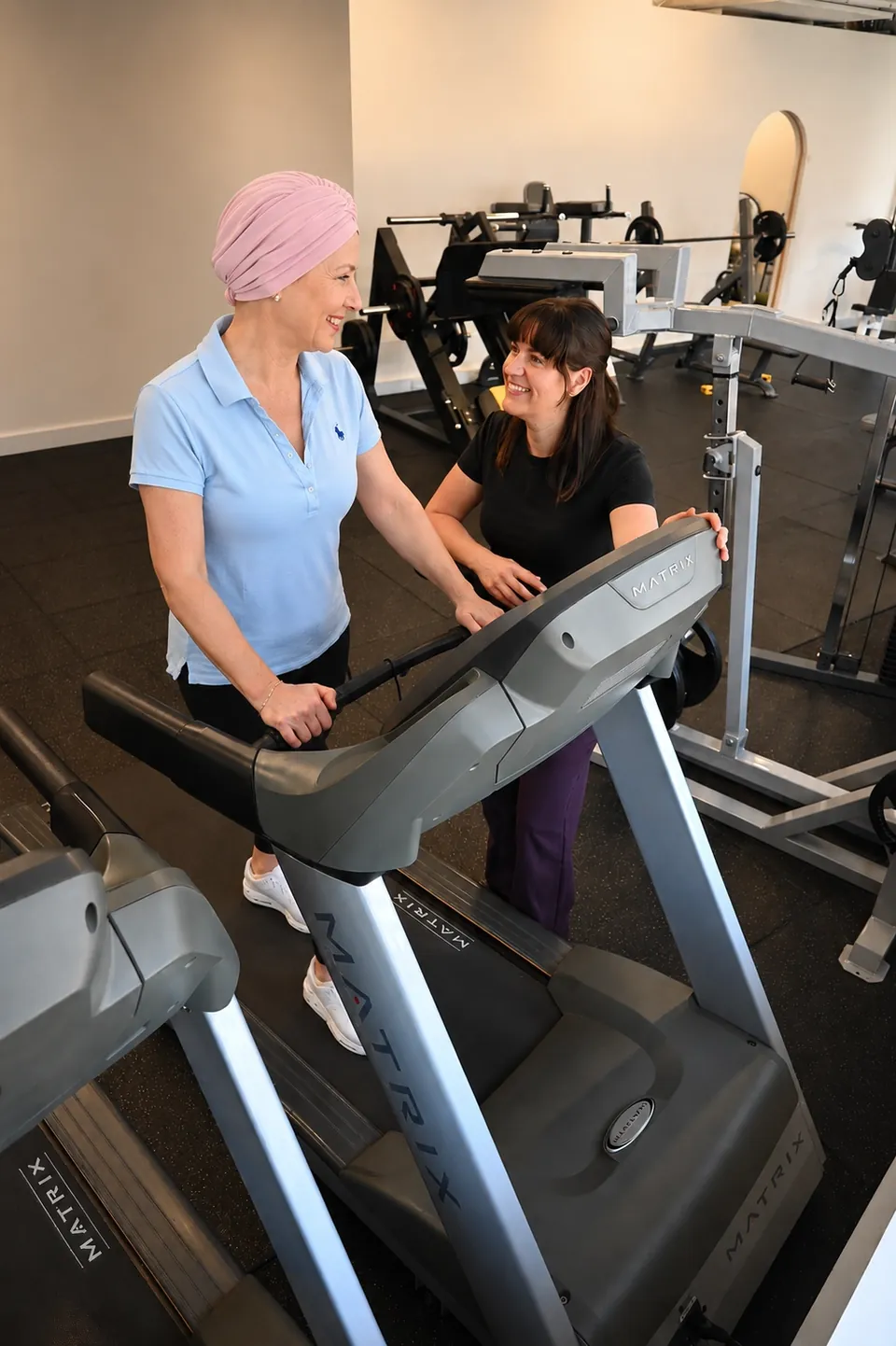
The Clinical Oncology Society of Australia (COSA) guidelines state that exercise should be embedded as standard practice for cancer patients, equally prescribed alongside treatments such as chemotherapy, surgery, and radiotherapy.
While the recommendation sounds simple, many people are left wondering: What is safe? How much should I do? Where do I even start? How do I exercise with my current restrictions?
That’s where the right guidance and experience can make all the difference. Together, you and Megan will develop a plan that is tailored to your treatment, your goals, and your current capacity, helping you stay active safely and confidently while reducing treatment side effects.
Functional Assessment & Return to Activity
A functional assessment helps build an understanding of how cancer and its treatment have affected your strength, mobility, balance, fitness, movement patterns, and ability to participate in the activities that are important to you. Drawing on her extensive background in both oncology and musculoskeletal physiotherapy, Megan takes a comprehensive approach to rehabilitation, considering not only the effects of cancer treatment, but also any pre-existing injuries, aches and pains, movement limitations, or biomechanical factors that may influence your recovery.
This combined background allows Megan to bridge the gap between cancer rehabilitation and traditional physiotherapy, ensuring your rehabilitation is both safe and tailored to your individual goals. Whether you’re hoping to return to work, keep up with your family, get back to running, or rebuild confidence in the gym, a personalised plan is developed that meets you where you are and progresses at a pace that’s right for you.